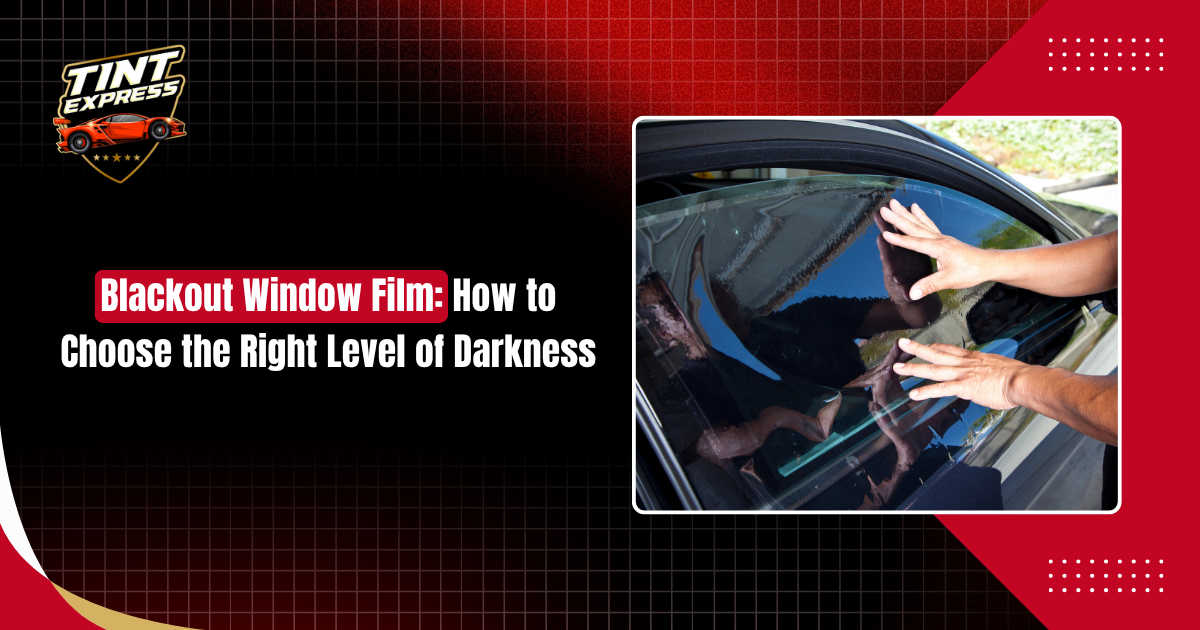
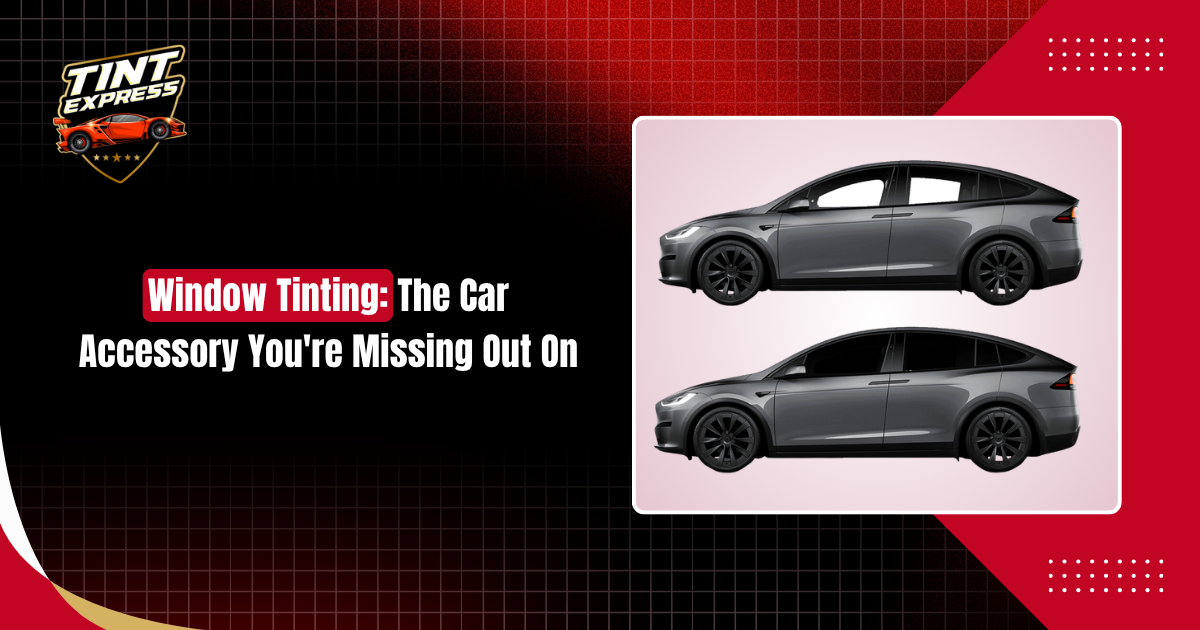
Window tinting is a thin film fitted to your car windows that blocks heat, cuts glare, and shields the interior from sun damage. People usually think of it as a style choice, but it’s one of the few upgrades that changes how the car actually feels to drive.
Car owners spend on seat covers, air fresheners, and sound systems all the time, yet the one upgrade that actually earns its keep gets skipped most often.
What Is Window Tinting and How Does It Work?
Window tinting is a polyester film fitted to the inside of your car glass, and it reduces heat, glare, and UV exposure in one go.
The film isn’t one flat sheet of colored plastic. It’s built in layers, each doing its own job:
- One layer blocks UV rays before they reach your skin or dashboard
- Another cuts down the heat that builds up inside a parked car
- A third handles glare, whether it’s from the sun or oncoming headlights
Once fitted, the film bonds to the glass and sits there doing its job for years, no upkeep needed.
Why Should You Get Window Tinting for Your Car?
It keeps the cabin cooler, cuts UV exposure, and stops interior fading, all from one installation.
Open a car door on a hot afternoon, and you already know the feeling. Window tinting cuts that heat, so the air conditioning doesn’t have to fight as hard once you’re driving.
A few things drivers notice right away:
- Lower cabin temperature through summer
- Less UV hitting the driver and passengers
- Seats and dashboards holding their color longer
- More privacy without losing your own view of the road
Anyone driving through Edmonton’s harsh summer sun and equally harsh winter glare will feel the difference this one change makes.
How Much Does Window Tinting Cost in Edmonton?
Expect to pay somewhere between 150 and 500 dollars, and the film quality decides where you land in that range.
Dyed film sits at the cheap end. Ceramic film costs more upfront but blocks heat noticeably better and doesn’t fade the way cheaper film tends to.
A few things push the price up or down:
- Dyed, carbon, or ceramic film
- How many windows you’re getting done
- Size and curve of your vehicle’s glass
- Warranty length the installer backs it with
Paying a bit more the first time usually costs less overall, since cheap film often needs a redo within a couple of years anyway.
Which Window Tinting Shade Is Right for Your Car?
That depends on two things: your local tint laws and how much heat or privacy you want.
Go darker, and you block more heat and light, but night driving gets harder. Car Tinting Mississauga experts recommend choosing the right shade. Go lighter, and visibility stays strong while you still catch decent UV and glare protection.
Here’s roughly how the choice breaks down:
- Light tint for UV protection without changing the look much
- Medium tint balances privacy against everyday visibility
- Dark tint suits drivers chasing maximum heat cut and privacy
Whatever shade you’re leaning toward, check the legal percentage first. Going too dark can turn into a problem you didn’t see coming.
Is Window Tinting Legal in Edmonton?
Yes, but front windows have to stay within a minimum visible light transmission limit, so you can’t pick just any shade.
Front side windows, rear windows, and the windshield don’t follow the same rule. Front windows usually get the strictest limit, since they matter most for a driver’s visibility.
Double-check current limits with your installer before booking. Rules do get updated occasionally, and they’re not identical across every province.
How Long Does Window Tinting Last?
A good film lasts somewhere between 5 and 10 years, depending on what it’s made of and how well it was put on in the first place.
Cheap dyed film often starts fading or bubbling within two to three years. Car Tint Brampton experts often recommend ceramic-based film because it holds its color and performance much longer, making it the smarter buy if you’re keeping the car a while.
Installation matters just as much as the film. A rushed job leads to peeling edges and trapped bubbles long before the film should have worn out.
How Do You Choose the Right Window Tinting Service?
Look at film quality, installer experience, and warranty terms, not just price.
| Factor | Budget Installer | Professional Installer |
| Film quality | Often dyed, basic | Carbon or ceramic options |
| Installation | Inconsistent | Clean, bubble-free finish |
| Warranty | Limited or none | Multi-year coverage |
| Longevity | 2 to 3 years | 5 to 10 years |
If you’re in Edmonton, check a specialist like Tint Express before booking. A proper consultation tells you which film holds up through the city’s winters and summers instead of just looking good for the first year.
Discover how window tinting enhances style, comfort, and protection. Follow us on Instagram & TikTok for more car care tips!
Frequently Asked Questions
Does window tinting reduce heat inside a car?
Yes, it blocks a large share of solar heat and keeps the cabin cooler.
Is window tinting legal on all car windows?
Front windows carry stricter limits than rear windows, so check local rules first.
How long does window tinting take to install?
Usually two to four hours, depending on the vehicle and window count.
Can window tinting protect against skin damage?
It can. Quality film blocks a significant share of UV rays that pass through car glass.
Does cheaper window tinting perform as well as premium film?
Not really. Cheaper film fades and bubbles sooner, while premium film lasts longer and blocks more heat.